
When it comes to carbon emissions, there’s no bigger foe than the building and construction sectors, which contribute at least a third of global greenhouse gases.
Blog
Small Currents, Big Impact: Satellite Breakthrough Reveals Hidden Ocean Forces
What if some of the smallest ocean currents turned out to be some of the most powerful forces shaping our planet’s climate?
Scientists Find a New Way to Help Plants Fight Diseases
In a discovery three decades in the making, scientists at Rutgers and Brookhaven National Laboratory have acquired detailed knowledge about the internal structures and mode of regulation for a specialized protein and are proceeding to develop tools that can capitalize on its ability to help plants combat a wide range...
Eat Less Meat
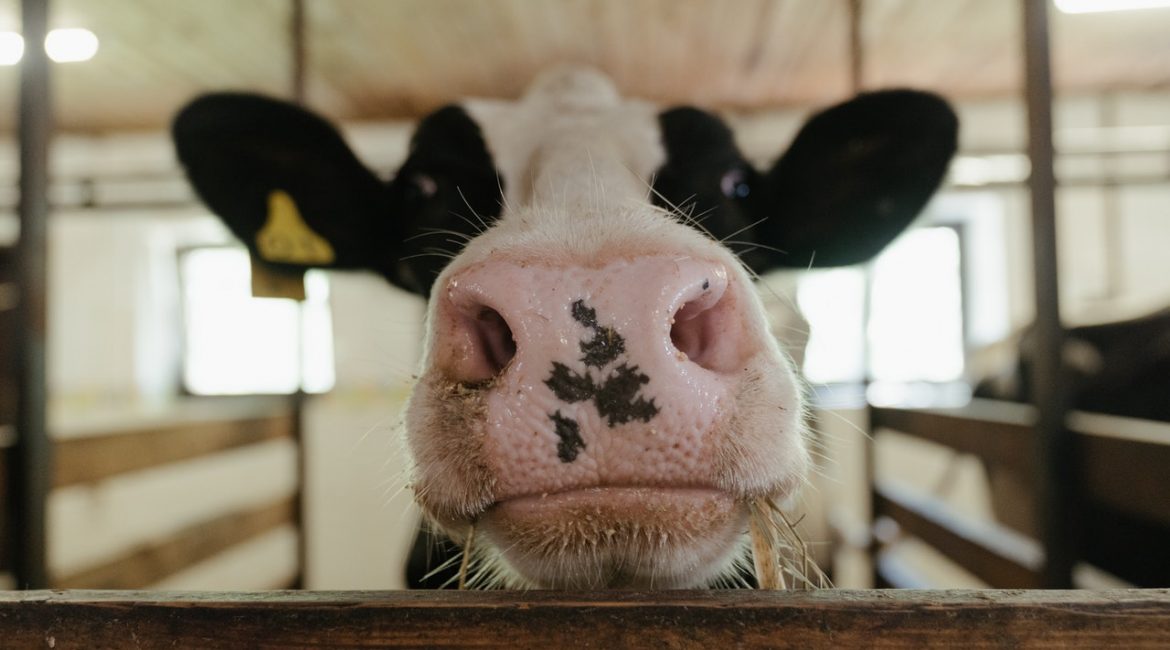
Doctors often praise vegetarian and vegan diets thanks to their high fibre content. These lifestyles are also incredibly beneficial to the environment and yet another way to go green, even if you don't do it everyday. Cutting down on greenhouse gas emissions is necessary if we want to save the...
Long shot science leads to revised age for land-animal ancestor
The fossils of ancient salamander-like creatures in Scotland are among the most well-preserved examples of early stem tetrapods -- some of the first animals to make the transition from water to land. Thanks to new research, scientists believe that these creatures are 14 million years older than previously thought. The...
Study Finds Alaska, Rest of Earth, to Lose Most of Glacier Mass
An international study has found that Earth’s glaciers will lose 76% of their 2020 mass under current climate policy pledges made by nations.
Atlantic Ocean Current Expected to Undergo Limited Weakening with Climate Change
The Atlantic meridional overturning circulation, commonly referred to as the "AMOC," is a system of ocean currents confined to the Atlantic basin that plays a crucial role in regulating Earth's climate by transporting heat from the Southern to the Northern Hemisphere.
Does Outdoor Air Pollution Affect Indoor Air Quality? It Could Depend on Buildings’ HVAC
We typically spend 80% of our time indoors, where the quality of the air we breathe depends on the age and type of building we occupy, as well as indoor pollution and outdoor pollution sources.
Save twice the ice by limiting global warming
A new study finds that if global warming exceeds the Paris Climate Agreement targets, the non-polar glacier mass will diminish significantly. However, if warming is limited to 1.5 degrees Celsius, at least 54 per cent could be preserved -- more than twice as much ice as in a 2.7 C...
Birds nested in Arctic alongside dinosaurs
Spring in the Arctic brings forth a plethora of peeps and downy hatchlings as millions of birds gather to raise their young. The same was true 73 million years ago, according to a new article. The paper documents the earliest-known example of birds nesting in the polar regions.