
In summer 2025, waters in the Gulf of Maine popped with vivid swirls of blue and green.
Blog
Coral Larvae Travelling Further Makes Populations Stronger
Understanding how far Great Barrier Reef corals are from their parents could be key to identifying and protecting at risk populations, University of Queensland research has found.
Scientists’ top 10 bee-magnet blooms—turn any lawn into a pollinator paradise
Danish and Welsh botanists sifted through 400 studies, field-tested seed mixes, and uncovered a lineup of native and exotic blooms that both thrill human eyes and lure bees and hoverflies in droves, offering ready-made recipes for transforming lawns, parks, and patios into vibrant pollinator hotspots.
Whispers in the womb: How cells “hear” to shape the human body
Scientists found that embryonic skin cells “whisper” through faint mechanical tugs, using the same force-sensing proteins that make our ears ultrasensitive. By syncing these micro-movements, the cells choreograph the embryo’s shape, a dance captured with AI-powered imaging and computer models. Blocking the cells’ ability to feel the whispers stalls development,...
How a lost gene gave the sea spider its bizarre, leggy body
Scientists have decoded the sea spider’s genome for the first time, revealing how its strangely shaped body—with organs in its legs and barely any abdomen—may be tied to a missing gene. The detailed DNA map shows this ancient creature evolved differently from its spider and scorpion cousins, lacking genome duplications...
Multisensory VR forest reboots your brain and lifts mood—study confirms
Immersing stressed volunteers in a 360° virtual Douglas-fir forest complete with sights, sounds and scents boosted their mood, sharpened short-term memory and deepened their feeling of nature-connectedness—especially when all three senses were engaged. Researchers suggest such multisensory VR “forest baths” could brighten clinics, waiting rooms and dense city spaces, offering...
Switching To Reusable Shopping Bags
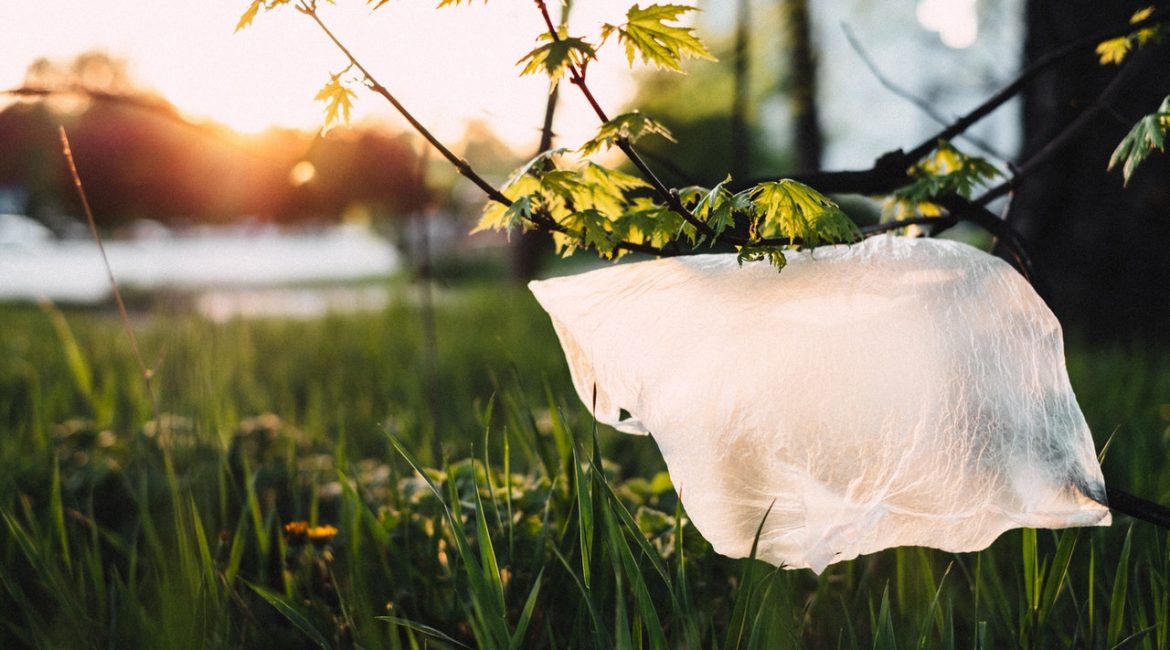
You've probably seen reusable shopping bags in just about every store you visit. That's because plastic bags have far too many side effects for us to continue using them much longer. On average, each one of us uses six plastic bags each week. That adds up to over 300 plastic...
Scientists thought the Arctic was sealed in ice — they were wrong
For decades, scientists believed the Arctic Ocean was sealed under a massive slab of ice during the coldest ice ages — but new research proves otherwise. Sediment samples from the seafloor, paired with cutting-edge climate simulations, show that the Arctic actually remained partially open, with seasonal sea ice allowing life...
Scientists starved worms — then discovered the switch that controls aging
Scientists have discovered that starving and then refeeding worms can reveal surprising secrets about aging. When a specific gene (called TFEB) is missing, these worms don’t bounce back from fasting—they instead enter a state that looks a lot like aging in humans, with signs of stress and cell damage. This...
A cholesterol secret inside ticks may halt Lyme disease spread
Scientists have discovered that the bacteria behind Lyme disease and anaplasmosis have a sneaky way of surviving inside ticks—they hijack the tick’s own cell functions to steal cholesterol they need to grow. By tapping into a built-in protein pathway, the bacteria keep themselves alive until they can infect a new...